
Everything Singapore buyers wish they knew before their Taobao haul leaves the warehouse — GST, customs, timelines and the repacking trick that saves you money.
The relay race your parcel actually runs

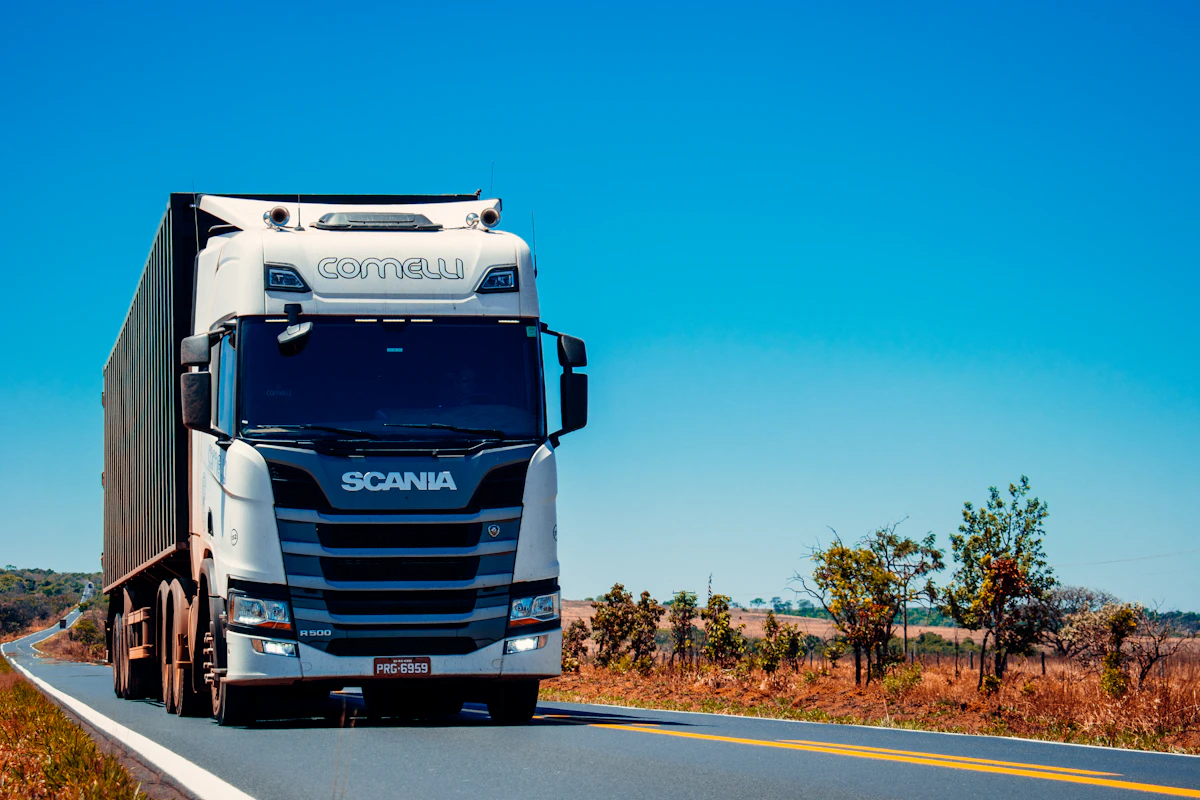
Most people picture shipping from China to Singapore as one long journey. In reality it’s a relay. A seller in Guangzhou or Yiwu hands your parcel to a domestic courier, it reaches a consolidation warehouse, gets sorted alongside other people’s boxes, then flies out of Shenzhen or sails from a southern port before clearing Singapore customs and heading to your doorstep.
Two things decide whether that relay runs smoothly.
The first is who controls the middle. Buy from Taobao, 1688 or a smaller Chinese shop and the seller will happily post to a Chinese address — but not usually to Singapore. Many don’t accept overseas cards, won’t quote international freight, and don’t pack for a long trip. That’s why most Singapore buyers end up using a forwarder with a warehouse address in China, then consolidating several orders into one shipment so they pay once instead of five times.
The second is how the goods are described. Writing “gift” or “sample” on a waybill is a red flag to Singapore Customs, not a clever shortcut. Accurate item names, honest values and a proper commercial invoice move your parcel through far faster than a vague label ever will — and they protect you if a shipment is opened.
Get those two factors right and the distance stops mattering. Get them wrong and you’ll be the person refreshing a tracking page for three weeks wondering where a box of phone cases went.
GST, customs and the items Singapore simply won’t let in

Singapore is one of the easiest places in the world to import into — but “easy” isn’t the same as “anything goes”.
On tax: GST now applies to almost everything arriving from overseas, including low-value parcels that used to slip through. Depending on where you bought, it’s collected either by the overseas seller or marketplace at checkout, or at the border when the goods land. That means a parcel can look cheap on the product page and then arrive with a bill attached. Build the tax into your planning before you order, not after.
On prohibited goods, the list catches people out because it’s Singapore-specific rather than generic. Vapes and imitation tobacco products are banned outright — buying them from a Chinese seller and hoping they pass is how shipments get seized. Duty-free alcohol and tobacco allowances are strictly limited and don’t stack with online purchases. Medicines and health supplements can need approval from the Health Sciences Authority if they’re controlled. Food items fall under SFA rules, and large quantities of meat, seafood or dairy will usually be stopped.
Branded goods are another quiet trap. Counterfeit handbags, replica sneakers and knock-off electronics are routinely detained, and the consignee — that’s you — carries the risk, not the seller. If a deal looks too good, it probably is, and it’s not worth losing an entire consolidated shipment over.
What it actually costs: chargeable weight, not scale weight
Here’s the part that surprises first-time shippers: nobody charges you for how heavy your parcel is. They charge you for whichever is greater — actual weight or volumetric weight. Volumetric weight is a formula based on the box’s length, width and height, which is why a big carton of soft toys can cost more to send than a small dense box of tools.
This is also why repacking matters so much. Chinese sellers love oversized boxes with mountains of filler. Strip the excess packaging, flatten the cartons, combine five small orders into one sensibly sized box, and your chargeable weight can drop noticeably. Same goods, same destination, smaller bill.
Then there’s the mode. Air freight suits anything urgent, small or high-value — electronics, documents, cosmetics, gifts with a deadline. Sea freight is the better fit for bulky, heavy, non-urgent cargo like furniture, kitchenware, fitness equipment or a slow stock-up on household goods. The savings are real, but you’re trading speed for it, so decide what your time is worth before you choose.
Because rates shift with fuel, season and route, the honest answer to “how much will this cost?” is: check for your exact box. Pop your origin, destination and estimated weight into the calculator and you’ll get a live figure instead of a guess.
How Ebaoguo turns a messy Taobao order into one clean shipment

The hardest part of buying from China isn’t the shipping — it’s the ten different sellers who each want to post to a Chinese address you don’t have, in packaging that was never designed to survive an international trip. Ebaoguo gives you a warehouse address in China, receives everything on your behalf, checks it, repacks it and sends one consolidated shipment to Singapore. You deal with one parcel, one tracking number and one clear answer instead of a dozen chat windows.
For most Singapore readers shipping from China, two of our services do the heavy lifting:
Proxy handles the buying side — we purchase from Taobao, 1688 or Tmall for you using a local payment method, so a card that doesn’t work overseas stops being a problem. OMS is for anyone reselling: if you’re stocking a Shopee or Lazada store, we can hold inventory and dispatch orders as they come in, so you’re not paying to warehouse everything in Singapore at local rates.
Frequently asked questions
How long does shipping from China to Singapore take?
Air and express shipments typically clear customs and arrive within days once they leave the Chinese warehouse, while sea freight takes considerably longer because of sailing schedules and port handling. Bulkier, non-urgent cargo is where sea wins on value. Add extra time around Chinese New Year and Golden Week, when factories and carriers slow down.
Do I have to pay GST on a parcel from China?
Yes, in most cases. GST applies broadly to imported goods now, including lower-value parcels that were previously exempt. Depending on the seller or platform, it may be collected at checkout or at the border. Check the rules before you order so you aren’t caught out at delivery.
Can I send Taobao purchases straight to Singapore?
Usually not directly. Many Taobao and 1688 sellers only ship domestically within China and don’t accept overseas payment methods. The standard workaround is a China warehouse address with consolidation, so several orders arrive as one shipment. That’s exactly what our proxy and warehouse service is set up for.
What can’t I ship from China to Singapore?
Vapes and imitation tobacco products are banned outright, controlled medicines need authority approval, and large quantities of meat, seafood or dairy fall foul of food import rules. Counterfeit branded goods are routinely seized. Alcohol and tobacco allowances are tightly limited, so don’t treat them as ordinary cargo.
Is sea freight or air freight better for China to Singapore?
It depends on the cargo. Air and express are better for small, urgent or high-value items where speed matters. Sea freight is the sensible choice for bulky, heavy, non-urgent goods like furniture or equipment, where slower transit is a fair trade for a much lower cost per cubic metre. We run both lanes on China to Singapore, so you can compare side by side in the calculator.
Plug your box size and weight into the calculator at https://cal.ebaoguo.com/ and get a real China to Singapore quote in under a minute.
Related Articles
Updated 2026-10 · Source: Ebaoguo Operations