

Air, sea, or express — here’s the honest breakdown of every route, plus what actually causes delays.
The short answer: it depends on which shipping method you choose
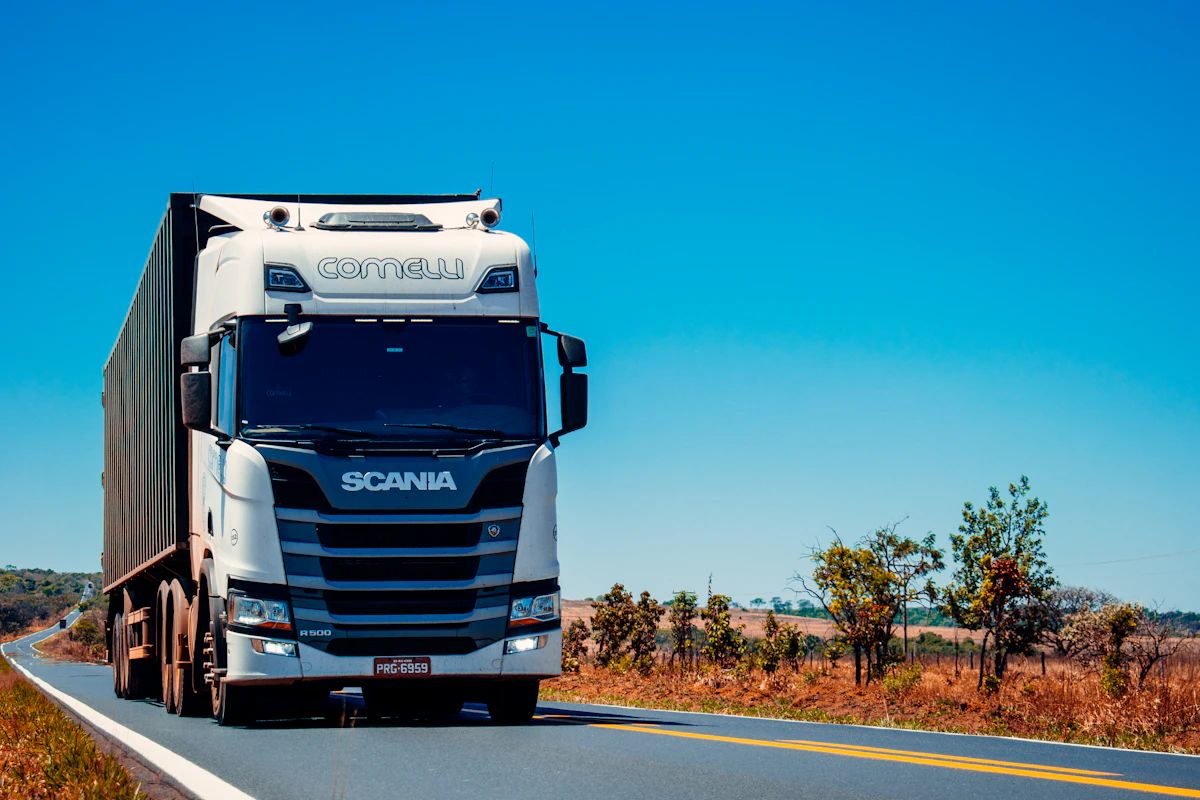
If you’ve ever ordered something from Taobao, 1688, or a Chinese online store and found yourself refreshing the tracking page wondering where on earth your parcel is — you’re not alone. The honest answer to “how long does shipping from China to Australia take?” is: anywhere from 3 days to 8 weeks, depending on the method used.
Here’s a plain-English breakdown of the main options:
- Express couriers (DHL, FedEx, UPS): Typically 3–7 business days door to door. Fast and reliable, but usually the most expensive option per kilogram — best for urgent, small, or high-value items.
- International air freight (economy air): Around 7–15 business days. This is the sweet spot for most online shoppers — reasonably quick without the premium express price tag.
- Sea freight (LCL / FCL): 25–45 days from major Chinese ports (Shanghai, Ningbo, Guangzhou) to Sydney, Melbourne, or Brisbane. Significantly slower, but the cost per kilogram drops dramatically for heavy or bulky shipments.
- Postal services (China Post / ePacket): Wildly variable — anywhere from 2 weeks to 2 months, depending on sorting volumes and Australian customs processing.
The method you choose should match your urgency, the weight and size of your goods, and your budget. In the sections below, we’ll walk through each factor that adds (or shaves) days off your delivery.
What actually causes delays — and how to avoid them

Transit time estimates are fine in theory, but in practice a dozen things can stretch your parcel’s journey. Understanding these common hold-ups puts you back in control.
Australian Border Force (ABF) customs inspection: This is the single biggest wildcard. Most parcels clear within 1–3 business days, but anything flagged for a physical inspection — or caught in a peak inspection period around major shopping events — can sit for a week or more. Accurate, detailed customs declarations help enormously here. Vague descriptions like “gift” or “merchandise” are red flags.
Biosecurity holds: Australia has some of the world’s strictest biosecurity rules. Certain food items, wooden products, or anything containing natural materials may be referred to the Department of Agriculture for inspection. Always declare these correctly.
Incomplete sender documentation: Missing commercial invoices, incorrect HS codes, or mismatched declared values can stall a shipment at the origin port before it even boards a plane or ship.
Peak season congestion: The pre-Chinese New Year rush (January), Golden Week (October), and post-11.11 Singles’ Day period all see massive spikes in shipping volume out of China. Build in extra buffer time during these windows.
Consolidation warehouse processing: If you’re using a forwarding or consolidation service (like Ebaoguo), your parcel waits in the warehouse until it’s consolidated with other packages before dispatch. Good forwarders process quickly, but choosing one with a well-organised warehouse in China is worth the effort.
The good news: most of these delays are avoidable with proper documentation and a reliable forwarder handling the paperwork for you.
Calculate your shipping cost and time estimate right now

Transit time and cost are two sides of the same coin — the fastest route isn’t always the most practical once you factor in weight, dimensions, and what’s actually inside the box. Rather than guessing, the smartest move is to run the numbers before you commit to a shipping method.
The variables that affect your quote include:
- Actual weight vs volumetric weight: Carriers charge whichever is greater. A large but light parcel (think a fluffy duvet) can be surprisingly expensive because it takes up so much space in the hold.
- Declared value: Australia’s low-value threshold (the de minimis rule) means parcels under a certain value may clear customs with minimal duty. Above that threshold, GST and import duties apply — your forwarder should flag this.
- Prohibited and restricted items: Some goods (lithium batteries, certain supplements, aerosols) have shipping restrictions that limit which service can carry them and at what cost.
- Your Australian delivery address: Metro addresses in Sydney or Melbourne are straightforward. Remote or regional postcodes may add a day or two for final-mile delivery.
Use the Ebaoguo calculator below to get an instant estimate for your specific route and parcel details. No sign-up required — just enter your weights and destination and see the options side by side.
Fee Transparency — No Hidden Costs
- Shipping rate (by chargeable weight)
- Handling / warehouse intake / fumigation fees (if applicable)
- Pickup fee (if you choose home pickup)
- Extra service fees, commission, fuel surcharges
- Destination customs duty / VAT / GST (only on DDP self-operated lines marked "included")
- Import duty + GST/VAT on non-DDP routes — destination customs collects from recipient
- Insurance (optional, ~5% of declared value; shown at bottom of each card)
- Customs inspection / return / storage detention fees in exceptional cases
Once you have a figure in front of you, it becomes much easier to decide whether express air is worth it for your timeline, or whether economy sea freight makes more sense for a bulk order.
How Ebaoguo makes China-to-Australia shipping faster and simpler

Ebaoguo operates a consolidation warehouse in China specifically designed for overseas Chinese and expats shipping goods back to Australia (and across AU, MY, TW, HK, SG, NZ, UK, and US). When you shop from multiple Chinese stores — Taobao, 1688, Pinduoduo, or anywhere else — your individual parcels land at the Ebaoguo warehouse first. The team inspects, repacks, and consolidates them into a single outbound shipment, which cuts both your shipping cost and the number of customs declarations you need to manage. Because Ebaoguo handles documentation professionally, parcels tend to clear Australian customs faster than self-shipped packages with incomplete paperwork. You also get real-time tracking from the moment your goods arrive in the warehouse to the day they reach your door in Sydney, Melbourne, Brisbane, or wherever you are across Australia.
Frequently asked questions: China to Australia shipping times
What is the fastest way to ship a parcel from China to Australia?
Express couriers such as DHL, FedEx, and UPS are the fastest option, typically delivering door to door in 3–7 business days. Economy air freight (7–15 business days) is a solid middle ground if you can wait a little longer. Sea freight is the slowest at 25–45 days but suits heavy or bulky shipments. For urgent small items, express is hard to beat; for large hauls, sea freight makes more logistical sense.
How long does Taobao shipping to Australia take?
Taobao itself doesn’t ship internationally — you need a forwarding or proxy service. Once your Taobao parcels arrive at a forwarding warehouse in China (usually 2–5 days after purchase), consolidated air freight to Australia typically takes another 7–15 business days. Using a consolidation service like Ebaoguo can streamline this significantly because multiple Taobao orders are combined into one outbound shipment, reducing both cost and customs complexity.
Does Australian customs hold up parcels from China?
Yes, it can. Australian Border Force (ABF) and the Department of Agriculture carry out random and targeted inspections on incoming international parcels. Most shipments clear in 1–3 business days, but parcels with vague descriptions, incorrect declared values, or restricted items can be held much longer. Providing clear, accurate descriptions and a proper commercial invoice — which a good forwarder will prepare on your behalf — significantly reduces the risk of a hold.
What is the cheapest shipping option from China to Australia?
Sea freight (LCL — less-than-container load) is generally the most affordable option per kilogram for large or heavy shipments, though it takes 25–45 days. For smaller parcels, economy air freight via a consolidator often works out cheaper than sending individual packages via express courier. The best way to compare is to use the Ebaoguo shipping calculator, which shows all available service tiers and their estimated transit times so you can make an informed choice.
Is there a weight limit for shipping parcels from China to Australia?
Individual parcel weight limits vary by carrier and service type. Express couriers typically cap single parcels at 70 kg per piece, while sea freight can handle virtually any weight as long as it’s properly palletised or crated. For very heavy or oversized items — furniture, appliances, large quantities of goods — sea freight via a consolidation warehouse is usually the most practical route. It’s worth noting that volumetric (dimensional) weight often applies for air shipments, so bulky-but-light items may be charged at a higher rate than their actual weight suggests.
Ready to stop guessing and get a real figure? Run your China-to-Australia shipping quote on Ebaoguo’s calculator — it takes under a minute and shows you every service tier side by side.
Updated 2026-07 · Source: Ebaoguo Operations