

You saw “no surprise fees at delivery” — but does that promise actually hold up when your parcel crosses EU borders?
The €150 threshold that changes everything about EU customs
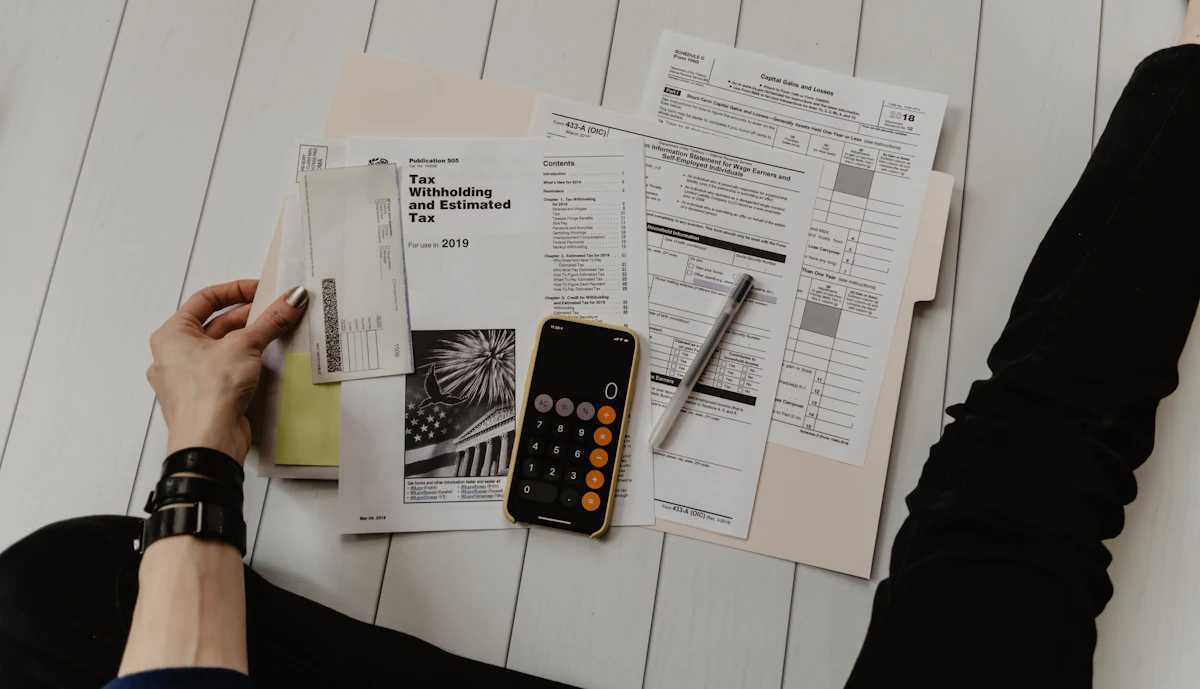
Since 1 July 2021, the European Union abolished the old €22 VAT exemption on imported goods. The new rule is straightforward: every single parcel entering the EU — regardless of value — is subject to import VAT. That is the first thing worth locking in your memory.
On top of VAT, there is a second threshold that matters specifically for customs duty: €150. Orders valued below €150 are exempt from EU customs duty (though VAT still applies). Orders valued at €150 or above — like your €298 action figure — are subject to both import VAT and customs duty. For collectibles and toys, the duty rate is typically between 4.7% and 12%, depending on the exact product classification code. Add the local VAT rate of wherever the parcel enters (20% in France, 19% in Germany, 21% in the Netherlands), and the total additional cost can be meaningful on a €298 purchase.
So when you read “all prices included, no surprise fees at delivery,” what you need to verify is which included fees they are referring to. AliExpress now offers two fulfilment modes: one where taxes are collected and remitted by AliExpress itself (the IOSS or DDP route), and another where the seller ships directly and leaves customs clearance entirely to chance. The checkout message you saw could mean either. The difference for your wallet is real, and the receipt unfortunately does not always spell it out clearly.
What is the “European triangulation” via Netherlands, Belgium and Germany — and does it actually clear your duty?

You read correctly. AliExpress does operate its own logistics hubs — notably in Liège (Belgium), and via partner depots in the Netherlands and parts of Germany. When AliExpress Standard Shipping is used, many parcels fly from China to one of these European air cargo hubs, get consolidated, and are then injected into the local postal or courier network for last-mile delivery. This is sometimes called “triangulation” informally, but the correct logistics term is DDP clearance (Delivered Duty Paid) at the hub.
Here is how it works when it works properly: AliExpress (or its licensed broker at the hub) acts as the importer of record. They pay the VAT and, for orders above €150, the customs duty on your behalf before the parcel moves onward to you. The parcel then arrives at your door already cleared, and the carrier has no reason to stop it or charge you anything extra. Your tracking may show a brief stop in one of those countries even if you live in France or Italy — that is the hub doing its job.
The critical question is whether your specific order actually went through this DDP channel. Not every AliExpress order does. Some sellers use their own forwarding accounts or cheaper shipping lines that bypass the hub and land your parcel directly at your national customs office — fully undeclared. In those cases, your local postal operator will hold the parcel and send you a customs bill before releasing it. The checkout “no surprise fees” message is a platform-level promise, but enforcement depends on which shipping route was actually assigned to your order.
To find out: check your AliExpress order detail page for the carrier name and the first tracking events. If the first scan location is in Belgium, Netherlands or Germany before moving to your country, that is a strong indicator the hub DDP route was used.
How to calculate what you might owe — before the customs bill arrives

Even if you are fairly confident your parcel went through the AliExpress DDP hub, it is smart to run the numbers yourself as a sanity check. If a customs bill does land in your letterbox, you want to know immediately whether the amount makes sense or whether something has gone wrong (under-declaration, misclassification, or a duplicate charge).
The rough calculation for an order like yours looks like this. Take the declared customs value of the item (which should match the invoice price, €298). Apply the applicable duty rate for your product category — for action figures and collectible toys, look up the EU TARIC code; rates cluster around 4.7%–6.7% from China. Add that duty amount to the declared value, then apply your destination country’s VAT rate on top of that sum (this combined base is called the “customs value + duty + freight” base in EU law). The result is the total tax you should expect.
If your parcel is moving through a consolidation forwarder like Ebaoguo before reaching you, the calculation can also factor in freight costs — because EU customs assesses duty on CIF (Cost + Insurance + Freight) value, not just the item price alone. That makes the shipping cost part of your dutiable value, which is another reason why choosing a forwarder with transparent, documented freight invoices matters a great deal for expensive items.
Use the Ebaoguo shipping calculator to check freight costs from China to your destination country, so you have all the numbers in one place before you finalise your next purchase:
How Ebaoguo takes the customs guesswork out of your China orders

The anxiety you are feeling right now — “did they actually pay the duty, or will a bill show up at my door?” — is one of the most common reasons people switch to using a dedicated forwarding service for high-value purchases from China. Ebaoguo provides documented, transparent freight invoices for every shipment, so that when you fill in a customs declaration or dispute a charge, you have a real paper trail. For items above the €150 duty-free threshold, knowing the exact declared value, freight cost, and carrier route in advance lets you plan your budget honestly rather than discovering an extra charge on delivery day.
Frequently asked questions: AliExpress customs over €150
My AliExpress receipt says “price includes all taxes” but I cannot see a VAT line item. Does that mean duty was paid?
Not necessarily. Some AliExpress checkouts display this message as a platform guarantee that if your order is routed through their DDP channel, taxes will be covered. But the receipt itself often does not itemise the tax separately — it is absorbed into the product price or handled at the logistics hub. To confirm, check whether your tracking shows a Belgian, Dutch, or German hub scan before reaching your country. If it does, duty was almost certainly cleared there. If tracking goes straight from China to your national postal network, your order may not have used the DDP route.
What happens if customs contacts me asking for duty payment even though AliExpress said it was all included?
This does happen. If it occurs, first download your full AliExpress order receipt and screenshot the checkout page where the “no surprise fees” promise appeared. Contact AliExpress customer support with that evidence and request written confirmation that DDP clearance was applied. Reputable platforms will either confirm the parcel was DDP-cleared (in which case you can show that confirmation to your customs authority) or they will reimburse the duty charge as a goodwill resolution. Do not pay the customs bill in a panic before you have AliExpress’s written response.
Is it legal for AliExpress to route parcels through Belgium or the Netherlands to handle EU customs centrally?
Yes, entirely legal. The EU specifically designed its IOSS (Import One-Stop Shop) and DDP mechanisms to allow platforms and licensed logistics operators to act as the centralised importer of record on behalf of buyers. This simplifies VAT remittance for the platform and — when done correctly — means the buyer never faces a surprise charge at delivery. The Liège hub operated by AliExpress’s logistics arm (Cainiao) is a formal, licensed customs clearance facility. The arrangement is transparent to EU tax authorities.
I bought an action figure classified as a “collectible.” Does that change the customs duty rate compared to a regular toy?
It can, yes. EU TARIC customs codes distinguish between toys (Chapter 95) and, for example, artist collectibles or limited-edition figures (which might fall under Chapter 97 or other headings depending on materials and purpose). Standard plastic action figures typically fall under HS code 9503, attracting a duty rate of around 4.7% from China under MFN (Most Favoured Nation) rates. If the figure is marketed explicitly as an art collectible and was produced in limited numbers, a different code may apply — and in some cases duty rates are lower or even zero. When in doubt, look up the exact TARIC code on the European Commission’s TARIC database using your product’s description.
For my next high-value purchase from China, what is the safest approach to avoid customs surprises?
The safest approach is to use a forwarding service that provides a formal, itemised commercial invoice and documented freight cost — because EU customs assesses duty on the CIF (Cost + Insurance + Freight) value of the shipment, not just the product price. This means knowing your freight cost in advance lets you calculate your total duty liability before you buy. Using a service like Ebaoguo also gives you control over when the parcel ships and which carrier route is used, so you can choose a fully DDP-managed route for expensive items rather than relying on a marketplace’s automatic assignment. Check your estimated freight cost first at cal.ebaoguo.com.
Before your next China order crosses the €150 mark, get your full landed cost — freight plus duty estimate — in two minutes at cal.ebaoguo.com so there are zero surprises at your door.
Related Articles
Updated 2026-09 · Source: Ebaoguo Operations