
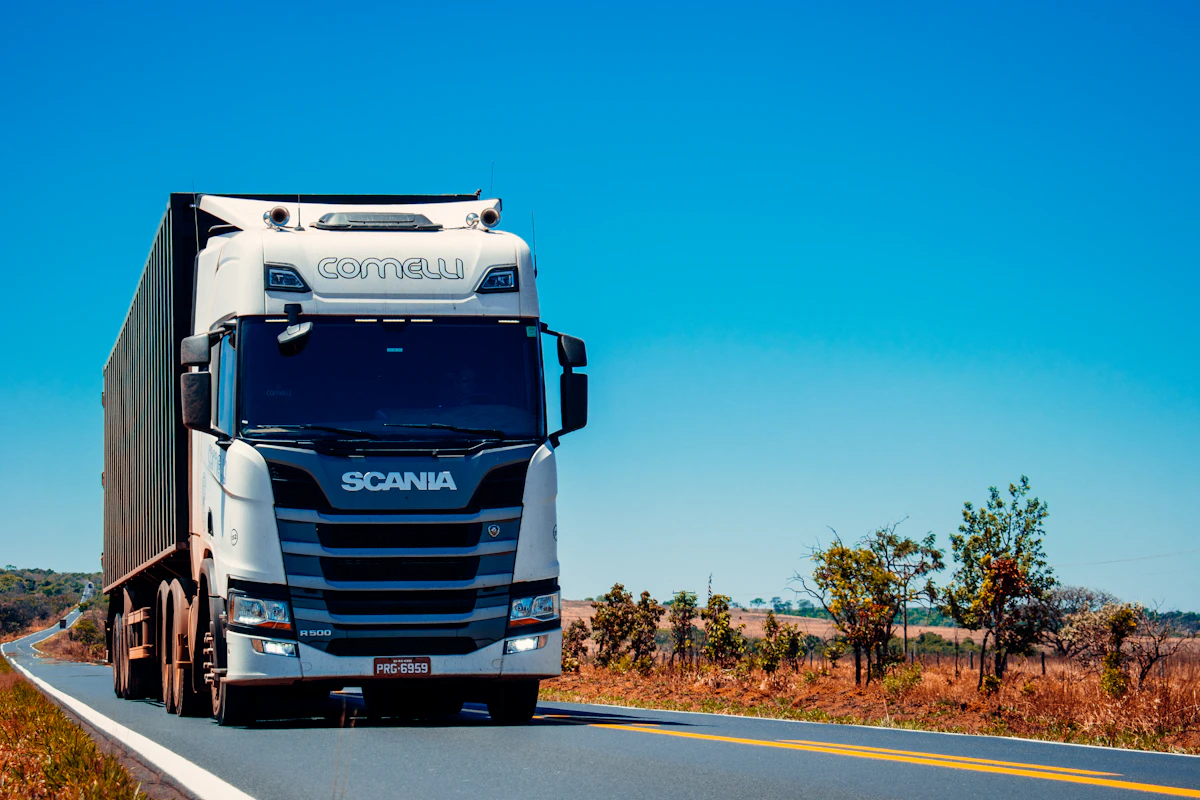
Whether you’re consolidating a Taobao haul or sending one careful parcel, here’s what really decides your delivery time and your duty bill.
Why so many Singapore parcels start their journey in China

Open almost any Singapore home and you’ll find something that started life in a factory in Guangdong or Zhejiang. Taobao, 1688, Pinduoduo and Douyin Shop have made buying direct from China completely normal, and the appeal is obvious: the range is enormous, the sellers are responsive, and the selection beats what shows up on local shelves. What nobody explains properly is what happens after you tap “pay”.
A China-to-Singapore parcel is not one journey, it’s five. First, the seller ships domestically to a consolidation warehouse, usually in Guangzhou, Shenzhen or Yiwu. Second, everything you’ve bought gets logged, checked and packed together into one box, which is where your shipping cost is actually decided. Third, the parcel clears Chinese export processes and boards either a flight out of a southern Chinese airport or a container vessel. Fourth, it arrives in Singapore, where the real bottleneck usually sits: import clearance. Fifth, a local courier takes it to your door.
Most delays Singapore buyers complain about happen in step two and step four, not on the water or in the air. A parcel that arrives at the warehouse on a Friday afternoon may wait until Monday to be processed. A parcel that reaches Singapore with an unclear description on the invoice can sit for days while a courier tries to reach you for payment or paperwork. Knowing the sequence is 90% of the battle, because every part of it can be planned around.
Singapore customs and GST: the part that catches most shoppers out

Singapore is one of the easiest places in the world to import into, but “easy” is not the same as “automatic”. Goods brought into Singapore are subject to GST, and the low-value exemption that used to let small personal parcels through untouched has been tightened. In practice, this means treats like a modest Taobao order can now attract GST just like a commercial shipment, and the courier will usually collect it before releasing your box.
The single biggest cause of a held parcel is a vague declaration. “Gift”, “sample” or “accessories” tells a customs officer nothing useful, and under-declaring to reduce charges is a fast way to turn a routine clearance into an investigation. Send us an accurate description and a realistic value, and clearance is usually uneventful. This is not about being cautious for its own sake; matching invoices to contents is the fastest route to your front door.
Some categories need extra attention before you buy. Food and edible products fall under food safety rules, health supplements and cosmetics sit under health authority oversight, and anything with a lithium battery has airline restrictions attached. Vapes and imitation tobacco products are outright prohibited in Singapore, and counterfeit branded goods are seized rather than returned. If you’re unsure whether an item is fine, ask before you order, not after it lands.
Keep your phone reachable during the delivery window. Many held parcels are simply ones where the courier needed a GST payment or a clearer invoice and couldn’t get an answer for several days.
Sea freight or air from China to Singapore: choosing the smarter route

Both sea freight and air freight are genuinely available on the China to Singapore lane, which makes this one of the few routes where the choice is really yours. The deciding factor is almost never the distance; it’s the density of what you’re sending.
Sea freight rewards volume and weight. If you’re shipping furniture, a bulky home-goods haul, kitchenware, books or anything that doesn’t need to arrive in a hurry, sea is the sensible default. It moves on scheduled sailings, so it rewards planning ahead rather than reacting. Air freight suits smaller, lighter, time-sensitive items: electronics, gifts for a birthday, replacement parts, or a single consolidated order you actually want this month.
There’s a trap here that catches first-timers. Couriers charge on volumetric weight as well as actual weight, so a large, feather-light box can cost more to move than a heavy compact one. That’s why repacking matters: pulling shoes out of their boxes, flattening packaging and consolidating several orders into one shipment can change your route recommendation entirely.
Because costs shift with weight, dimensions, item type and timing, nobody honest can quote you a number without seeing your shipment. Put your details into our instant estimator and you’ll see the live options for your exact box, side by side, in under a minute: use the shipping calculator.
Fee Transparency — No Hidden Costs
- Shipping rate (by chargeable weight)
- Handling / warehouse intake / fumigation fees (if applicable)
- Pickup fee (if you choose home pickup)
- Extra service fees, commission, fuel surcharges
- Destination customs duty / VAT / GST (only on DDP self-operated lines marked "included")
- Import duty + GST/VAT on non-DDP routes — destination customs collects from recipient
- Insurance (optional, ~5% of declared value; shown at bottom of each card)
- Customs inspection / return / storage detention fees in exceptional cases
How Ebaoguo takes the guesswork out of China-to-Singapore shipping

Ebaoguo exists for exactly this lane. You get a real Chinese warehouse address to send your shopping to, we receive and record every parcel, then consolidate, repack and ship them to Singapore on the route that suits your items rather than the one that’s easiest for us to sell. You see what’s arrived, what’s still outstanding and what’s ready to go, so nothing sits forgotten in a corner of a warehouse you can’t see into.
The most common problem Singapore buyers bring to us isn’t shipping at all, it’s paying. Taobao and 1688 often reject overseas cards, wallets can be fussy, and sellers won’t ship internationally. That’s the gap our purchasing service fills.
From there, everything is transparent: you approve the shipment, we handle export and hand over to a carrier that knows the Singapore import process, and you get tracking you can actually follow. If a parcel is held, we tell you why and what’s needed instead of leaving you refreshing a status page.
Frequently asked questions about shipping from China to Singapore
How long does shipping from China to Singapore take?
Express and air services usually land within about a week door to door, while sea freight is measured in weeks rather than days and depends on sailing schedules. The bigger variables are how fast your sellers deliver to the warehouse and how long clearance takes, so building in a buffer is smarter than choosing the fastest option and hoping.
Do I have to pay GST on a parcel sent from China?
Yes. Goods imported into Singapore attract GST, and low-value personal parcels are no longer outside the net. In practice the courier collects it before delivery. The safest approach is to declare accurate contents and values from the start, so clearance is routine rather than disputed. Shipping charges themselves are separate, and you can estimate those with our calculator.
Can I combine several Taobao orders into one shipment?
That’s exactly what consolidation is for. Send every order to your Ebaoguo warehouse address, wait until the last one arrives, then ship them together. Consolidating normally reduces cost, since you pay for one shipment instead of five, and repacking often trims bulky packaging that you were about to pay to move.
What items shouldn’t I ship from China to Singapore?
Vapes and imitation tobacco products are prohibited outright, as are counterfeit branded goods, weapons, controlled medicines and anything illegal in Singapore. Restrictions also apply to food, supplements, cosmetics and lithium batteries, which need proper declaration and sometimes special handling. Check with us before you buy something borderline, and it won’t become an expensive lesson.
What happens if my parcel is held at Singapore customs?
It usually means GST needs paying or the declared description didn’t match the contents. The courier will contact you for payment or paperwork, so answer promptly and you’ll normally have it released within days. If you ship with Ebaoguo we’ll tell you what’s required rather than leaving you to guess from a tracking status.
Get an instant, no-obligation estimate for your China-to-Singapore shipment and book it in minutes at https://cal.ebaoguo.com/
Related Articles
Updated 2026-10 · Source: Ebaoguo Operations